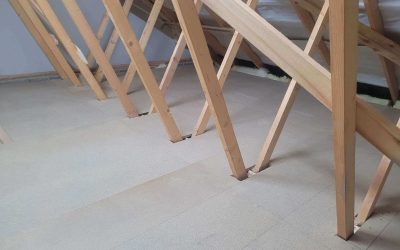
Loft space is often one of the most underused areas in a home. Many lofts contain insulation and structural timbers but lack a proper floor, which makes them difficult to use safely for storage. When we install loft boarding systems, one of the key components we use is loft panels. These panels form the surface of loft flooring and help create a stable platform across the joists.
Loft panels are usually made from materials such as chipboard, OSB, or plywood. They are designed to sit across the loft’s structural joists to create a flat, secure surface. Once installed, they allow homeowners to store items safely and move around the loft more easily.
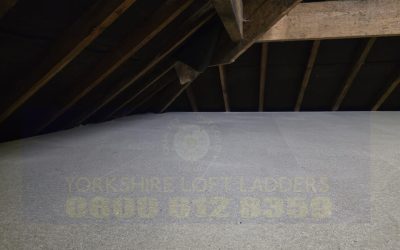
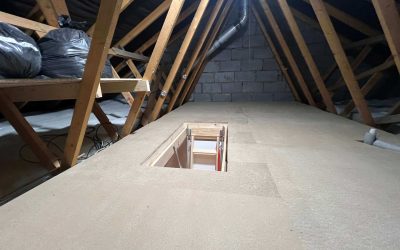
When installed correctly, loft panels transform an unused loft into a practical storage space. Instead of balancing on joists or insulation, you have a solid surface that distributes weight across the roof’s structure.
Common reasons homeowners install loft panels include:
- They Create Safe Loft Storage Space – Loft panels provide a stable surface for storing boxes, luggage, and seasonal items.
- They Help Protect Loft Insulation – Raised loft flooring systems allow insulation to remain effective beneath the panels.
- They Improve Access Around the Loft – Once panels are installed, it becomes much easier to move around the loft safely.
- They Make Better Use of Unused Space – Installing loft panels helps turn empty roof space into practical household storage.
With the right loft flooring system, even a small loft can provide valuable storage without compromising the home’s energy efficiency.
What Materials Are Loft Panels Made From?
Loft panels are manufactured from several materials, each with its own advantages. The most commonly used panels in UK homes are chipboard, although other materials are sometimes used depending on the loft’s structure and the intended use of the space.
Chipboard Loft Panels
Chipboard panels are the most widely used material for loft flooring. They are manufactured from compressed wood particles bonded together under high pressure. This creates a strong, dense board that is well-suited for storage floors.
Chipboard loft panels are popular because they provide a good balance of strength, cost and ease of installation. Many modern chipboard panels also feature tongue-and-groove edges, allowing the boards to lock together securely.
OSB Loft Panels
OSB stands for Oriented Strand Board. These panels are made from larger timber strands compressed into layers. The strands are arranged in different directions to increase strength and durability.
OSB panels are often used in structural flooring because they can handle higher loads than standard chipboard panels.
Plywood Loft Panels
Plywood panels are made from multiple thin layers of timber veneer glued together. The grain direction of each layer alternates, increasing the board’s strength.
Although plywood is very strong, it is typically more expensive than chipboard or OSB, so it is less commonly used for standard loft boarding projects.
When comparing materials, each option offers different advantages:
- Chipboard Panels Are The Most Common – They provide strong, reliable flooring while remaining affordable.
- OSB Panels Offer Extra Structural Strength – They are sometimes used where heavier loads may be expected.
- Plywood Panels Are Very Durable – They are often used in specialist flooring applications.
For most loft storage installations, chipboard panels are the preferred choice.
Typical Sizes and Thickness of Loft Panels
Loft panels are usually manufactured in sizes that make them easier to handle inside the loft. Since loft hatches can be relatively small, most boards are designed to pass through the hatch and fit between roof structures.
A common size for loft panels used in UK homes is 1220 mm by 320 mm, although other panel sizes are available. These dimensions allow the boards to be carried easily through the loft hatch and installed across the joists.
Panel thickness is also important when installing loft flooring. Most loft panels used for storage flooring are around 18 mm thick, which provides sufficient strength for typical household storage.
Important features of loft panels include:
- 18 mm Panels Are Common for Loft Boarding – This thickness provides a stable platform for storage.
- Tongue-and-Groove Edges Improve Stability – Panels lock together, preventing movement between boards.
- Smaller Panels Fit Through Loft Hatches – Boards are sized to fit through loft hatches without difficulty.
When installed properly, these panels create a continuous flooring surface that distributes weight across multiple joists.
How Loft Panels Are Installed in Loft Flooring
Installing loft panels requires careful preparation to ensure the loft floor remains safe and structurally sound. Before any boards are installed, we normally check the condition of the loft structure and the depth of the insulation.
The loft joists form the structural base of the flooring system. These joists run across the loft and support the ceiling below. Loft panels must be securely fixed to these joists to ensure the flooring remains stable.
In many modern homes, insulation sits above the joists. This means that installing panels directly on the joists would compress the insulation. To avoid this, raised loft boarding systems are often installed first.
A typical loft flooring installation involves several steps:
- Locating the Loft Joists – Panels must be fixed across the joists to create a stable structure.
- Installing Raised Loft Boarding Supports – Systems such as loft legs lift the flooring above the insulation.
- Laying Panels Across Multiple Joists – This helps distribute weight safely across the loft structure.
- Fixing Panels Securely with Screws – Screws provide stronger and longer-lasting fixings than nails.
- Creating Safe Walkways – Storage areas and access paths are arranged to make the loft easier to use.
By spreading the load across several joists, the flooring becomes much stronger and more stable.
Why Loft Panels Should Not Be Installed Directly on Insulation
One of the most important considerations when installing loft flooring is protecting the insulation layer beneath the boards. Loft insulation works by trapping air between fibres, which slows the transfer of heat through the roof.
If loft panels are installed directly on top of insulation, the insulation becomes compressed. This reduces its ability to trap heat, making the home less energy-efficient.
Modern insulation standards often require insulation depths that are greater than the height of the loft joists. This means that if panels are placed directly on the joists, they will sit on top of the insulation and squash it.
Key reasons why raised flooring systems are used include:
- Compressed Insulation Loses Efficiency – Flattened insulation cannot trap heat effectively.
- Modern Insulation Is Thicker Than Older Insulation – This means boards need to be raised above the joists.
- Raised Loft Flooring Protects Energy Efficiency – The insulation remains at its full depth beneath the boards.
Raised loft boarding systems, such as loft legs, allow panels to sit above the insulation while maintaining proper airflow and insulation performance.
What Can You Store on Loft Panels?
Once loft panels have been installed, the loft becomes a practical storage area for many household items. However, lofts are typically designed for light storage, rather than heavy loads.
When planning loft storage, it is important to distribute weight evenly across the floor and avoid placing excessive weight in one area.
Common items stored in lofts include:
- Seasonal Decorations – Items such as Christmas decorations that are only used occasionally.
- Suitcases And Travel Bags – Bulky items that take up valuable cupboard space.
- Clothing Storage – Clothes that are stored safely in sealed containers.
- Archived Paperwork – Documents that need to be kept but are rarely accessed.
- Spare Bedding And Household Items – Lightweight items that can be stored in boxes.
Heavy furniture, large appliances or gym equipment should not normally be stored in lofts unless the structure has been reinforced.
Common Loft Flooring Mistakes Homeowners Make
Although loft panels may appear simple to install, several common mistakes can cause problems if the flooring is installed incorrectly.
One common issue is installing boards directly onto the joists without considering the insulation depth. This can reduce insulation performance and increase heat loss.
Another common mistake is overloading the loft floor with heavy items that the structure was not designed to support.
Common loft flooring mistakes include:
- Installing Panels Directly on Joists Without Raising Them – This compresses insulation and reduces efficiency.
- Overloading the Loft Structure – Excessive weight can place strain on the joists.
- Blocking Loft Ventilation – Poor airflow can lead to condensation problems.
- Using Incorrect Fixings – Nails may loosen over time, causing boards to move.
- Failing to Plan Walkways – Without clear paths, accessing stored items becomes difficult.
Proper planning helps avoid these issues and ensures the loft flooring remains safe and stable.
Creating Practical Loft Storage with Loft Panels
Loft panels play an essential role in modern loft boarding systems. By creating a solid floor surface across the joists, they allow homeowners to safely use the loft space for storage without damaging insulation or compromising the roof structure.
When installed correctly, loft panels transform unused loft space into an organised storage area. Instead of empty space above the ceiling, the loft becomes a practical extension of the home.
With the right materials, proper installation and careful planning, loft flooring can provide years of reliable storage. Even a modest loft can offer a surprising amount of additional space once panels are installed safely and securely
Loft Ladders Heckmondwike – Loft Ladders Farnham – Loft Ladders Hampsthwaite