VAT can make a noticeable difference to the final cost of home improvement work. That is why energy-saving upgrades are receiving more attention from homeowners, landlords and installers. Under current UK rules, some installed energy-saving materials may qualify for special VAT treatment, which can make certain qualifying improvements more attractive when they are supplied and fitted correctly.
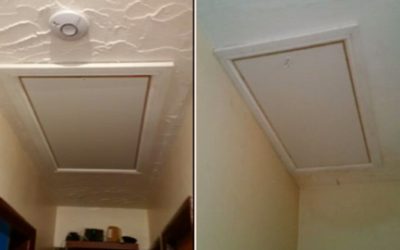
For Yorkshire Loft Ladders, this matters because loft access is closely connected to heat loss, insulation and energy efficiency. A loft hatch is not just a small door in the ceiling. It sits between the warm rooms below and the colder loft space above. If that hatch is thin, loose, draughty or poorly insulated, it can become a weak point in the home’s thermal envelope.
Energy efficient loft hatches, insulated loft ladders, loft insulation and carefully planned loft boarding can all play a part in improving how the loft performs as part of the home. The result is not only easier access, but a better-sealed and more practical loft area.
Important note: VAT rules are technical and depend on the exact work being carried out. This information is general and should not be treated as tax advice. VAT treatment should always be checked against current HMRC guidance and the specific installation.
The VAT Opportunity Around Energy-Saving Materials
The UK has specific VAT rules for certain installed energy-saving materials. These rules are designed to encourage homeowners and property owners to improve energy efficiency, reduce heat loss and make buildings less wasteful to heat.
For home improvement work, this can affect the way certain qualifying energy-saving materials are treated for VAT when they are supplied and installed. The exact position depends on the product, the property, the installation and the way the work is supplied.
Energy-saving VAT relief is not based on marketing language alone. A product cannot simply be called “energy efficient” and automatically qualify. The actual product, the installation, the supply structure and the HMRC rules all matter.
This is why insulated loft access products should be discussed in terms of their genuine energy-efficiency features, such as insulation, U-values, air leakage performance and draught reduction.
Why VAT Needs Careful Wording
It is tempting to describe energy efficient loft products as “VAT-free”, but that can be too broad. VAT depends on the nature of the supply. A product sold on its own may be treated differently from a product supplied and installed as part of qualifying work.
Some installed energy-saving materials may qualify for special VAT treatment, subject to current HMRC rules and the exact work being carried out. That distinction matters because not every energy efficient product or home improvement automatically receives the same VAT treatment.
The safest way to understand the issue is to separate the energy-saving benefit from the VAT treatment. An insulated loft hatch may help reduce avoidable heat loss through the access point. Whether that installation qualifies for a particular VAT treatment depends on the specific circumstances of the job.
Where Loft Access Fits Into Energy Efficiency
Loft access is often overlooked because homeowners tend to think about insulation first. That is understandable. Loft insulation is one of the most obvious energy-saving improvements in a property.
But the hatch still matters.
A poorly performing loft hatch can interrupt the insulated ceiling line. If the loft floor is insulated but the hatch is thin, unsealed or difficult to close, the access point can still allow heat to escape into the roof space. Warm air rises, so even small gaps around the hatch can become more noticeable during colder weather.
The loft access area can affect:
- Heat loss through the ceiling opening.
- Draughts around the landing or upstairs rooms.
- Moist warm air moving into the roof space.
- The performance of nearby insulation.
- How safely and easily the loft can be used.
- Whether boarding or storage damages insulation.
This makes loft access relevant to the wider energy-saving conversation. It is not just about convenience. It is about making sure the hatch, ladder, insulation and storage area work together.
Energy Efficient Loft Hatches and VAT-Relevant Features
An insulated loft hatch is one of the most relevant loft access products when discussing energy efficiency because it has a clear connection to heat loss and thermal performance.
Yorkshire Loft Ladders’ main uPVC loft hatch is the Manthorpe GL250-30. This product is designed to meet strict thermal performance and air leakage standards, making it suitable for homeowners who want a more energy-conscious loft access point.
Manthorpe GL250-30 insulated loft hatch
| Feature | Why it matters |
|---|---|
| Insulated uPVC loft hatch | Helps improve the thermal performance of the access point |
| U-value of 0.35 W/m²K | Shows strong heat-loss performance for a loft access door |
| Designed for air leakage standards | Helps reduce draughts around the opening |
| Modern replacement hatch | Useful for older, loose or uninsulated loft hatches |
| Better-sealed access point | Supports the wider energy efficiency of the loft area |
The Manthorpe GL250-30 is relevant to energy efficiency because its features are directly connected to heat loss, air leakage and thermal performance. It gives homeowners a more efficient alternative to an older, thinner or poorly sealed hatch.
An insulated loft hatch can form part of an energy-saving loft upgrade, helping reduce avoidable heat loss through the access point. VAT treatment, where relevant, depends on the exact installation and current rules.
Insulated Loft Ladders and Energy-Saving Performance
A loft ladder is not always thought of as an energy-saving product, but some loft ladders include insulated hatches and seals that help improve thermal performance at the access opening.
Yorkshire Loft Ladders’ main deluxe wooden loft ladder is the Fakro LWK Komfort. This product includes useful energy-efficiency features, including 3cm insulation, an airtight peripheral seal and a U-value of 1.1 W/m²K.
Fakro LWK Komfort loft ladder
| Feature | Why it matters |
|---|---|
| Deluxe wooden loft ladder | Gives safer and easier access to the loft |
| Insulated hatch | Helps reduce heat transfer through the access point |
| 3cm insulation | Supports better thermal performance |
| Airtight peripheral seal | Helps reduce draughts around the hatch |
| U-value of 1.1 W/m²K | Gives a measurable thermal performance figure |
| Strong access solution | Suitable for regular domestic loft use |
The Fakro LWK Komfort combines safe loft access with an insulated hatch and airtight seal, helping improve the performance of the loft opening. Its energy-saving value comes mainly from the insulated hatch section and the way the unit helps reduce air movement around the access point.
Where VAT treatment is relevant, it should be considered in relation to the exact supply and installation rather than the ladder name alone.
What Makes a Loft Product Energy Efficient?
A loft access product may support energy efficiency when it helps reduce heat loss, draughts or air leakage between the heated home and the colder loft space.
Useful energy-efficiency features include:
- Insulated hatch panels.
- Low U-values.
- Draught seals.
- Airtight peripheral seals.
- Neatly fitted frames.
- Secure closing mechanisms.
- Proper installation around the ceiling opening.
- Compatibility with loft insulation and boarding.
These features matter because the loft opening forms part of the home’s thermal envelope. A better-insulated and better-sealed access point can help reduce avoidable heat loss, especially where the previous hatch was old, thin or badly fitted.
Why Loft Insulation Still Matters
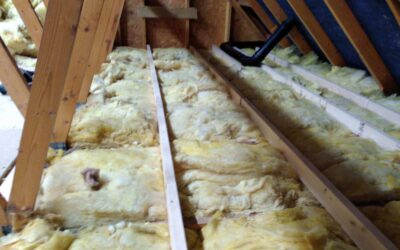
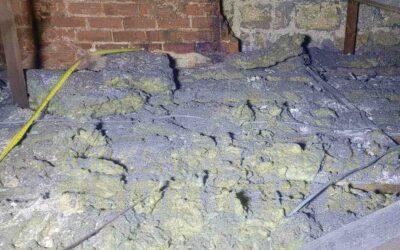
Loft insulation remains one of the clearest and most widely understood energy-saving improvements in a home. A loft hatch or ladder should not be seen as a replacement for insulation. Instead, loft access products work best when they support the insulation rather than undermine it.
For example, a home may have insulation across the loft floor, but if the hatch is uninsulated or the boarding has compressed the insulation, the overall performance may be weaker than expected.
A complete loft energy-efficiency approach may include:
| Upgrade | Energy-efficiency role |
|---|---|
| Loft insulation | Helps reduce heat loss through the ceiling |
| Insulated loft hatch | Helps reduce heat loss through the access point |
| Insulated loft ladder hatch | Combines access with better thermal performance |
| Suitable loft boarding | Creates storage while helping avoid insulation damage |
| Loft lighting | Makes it easier to use the space without disturbing insulation |
| Professional fitting | Helps products seal, close and perform correctly |
The strongest results usually come when the loft is treated as a whole area rather than a set of separate parts. The insulation, hatch, ladder, boarding and lighting all affect how practical and energy efficient the space becomes.
How Poor Loft Boarding Can Affect Energy Efficiency
Many homeowners want loft boarding because they need storage. The loft is often the most practical place for suitcases, Christmas decorations, old paperwork, children’s items and seasonal belongings.
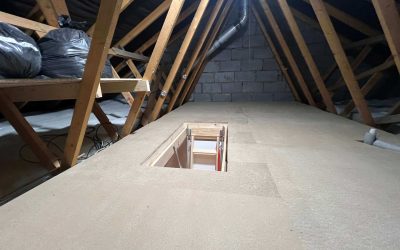
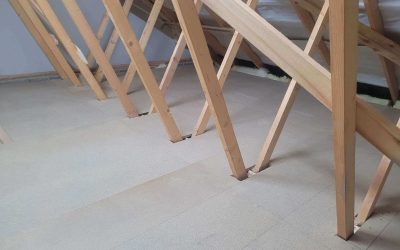
However, loft boarding needs to be planned carefully. If boards are laid directly over insulation and compress it, the insulation may not perform as well. That can weaken the energy-saving benefit of the insulation itself.
Proper loft boarding should make the loft more usable without unnecessarily compromising the insulation beneath it. This is why boarding, insulation, loft ladders and hatch upgrades are often best considered together.
A professionally planned loft access setup can create usable storage space while still taking energy efficiency into account.
Energy-Saving Loft Upgrades and VAT
Improving your loft can be about more than storage and access. With the right products, your loft upgrade can also support better energy efficiency within the home. Insulated loft hatches, thermally improved ladder systems, carefully planned boarding and suitable loft insulation can all help reduce avoidable heat loss around the loft area.
Some installed energy-saving materials may qualify for special VAT treatment under current UK rules. Whether this applies depends on the exact product, the installation and how the work is supplied.
A VAT-focused loft upgrade should still make practical sense for the home. The main purpose is to improve comfort, reduce draughts, make the loft easier to access and support the performance of the insulation. VAT treatment is an additional consideration, not the only reason to upgrade.
Customer Benefits Beyond VAT
Even where VAT is part of the discussion, the practical benefits of a loft upgrade still matter. Most homeowners will not choose a loft hatch or ladder because of VAT wording alone. They need to understand why the upgrade improves the home.
The main homeowner benefits are:
- A warmer-feeling landing or upstairs area.
- Fewer draughts around the loft hatch.
- Better-sealed access to the loft.
- Safer and easier loft entry.
- More practical storage space.
- Less chance of disturbing insulation.
- Cleaner, neater ceiling finish.
- Better use of the loft as part of the home.
VAT may help make qualifying work more appealing, but comfort, safety and practicality are still the strongest customer-facing reasons to enquire.
Why Professional Installation Supports VAT and Energy Efficiency
Professional installation matters because the product needs to perform properly. An insulated hatch or ladder will only help if it is fitted neatly, closes securely and seals correctly around the opening. Poor fitting can leave gaps, draughts or awkward operation.
VAT treatment can also depend on the nature of the supply. Products supplied on their own may be treated differently from products supplied and installed as part of a qualifying job. This is why the exact installation package matters.
Professional installation helps with:
- Correct product selection.
- Accurate measuring.
- Safe loft ladder fitting.
- Better sealing around the hatch.
- Neat finishing around the ceiling opening.
- Reduced risk of insulation being disturbed.
- A clearer installation package for the customer.
- Better long-term usability.
A professionally fitted loft hatch or ladder gives the homeowner a more reliable result than a loose or poorly matched access product. It also helps ensure the loft access area is considered properly as part of the wider energy-saving setup.
VAT-Safe FAQs for Yorkshire Loft Ladders
Do energy efficient loft hatches qualify for zero-rate VAT?
Some installed energy-saving materials may qualify for special VAT treatment, but this depends on the exact product, the installation and current HMRC guidance. An insulated loft hatch should not automatically be described as zero-rated in every situation without checking the details.
The safest approach is to consider the full installation and confirm the VAT position based on the specific job. The energy-saving features of the hatch, such as insulation, U-value and air leakage performance, are still important when assessing its role in a loft upgrade.
Are loft ladders VAT-free if they are energy efficient?
A loft ladder should not be described as VAT-free simply because it has energy efficient features. VAT depends on how the product is supplied, whether it forms part of a qualifying installation and how the work is treated under HMRC guidance.
Some loft ladder systems include insulated hatches and airtight seals, which can support better thermal performance around the loft opening. That makes them relevant to an energy-saving discussion, but it does not mean every loft ladder is automatically zero-rated.
Can an insulated loft hatch help reduce heat loss?
Yes. An insulated loft hatch can help reduce avoidable heat loss through the loft access point, especially where the old hatch is thin, draughty or poorly sealed. The hatch sits between the heated rooms below and the colder loft space above, so its performance matters.
The Manthorpe GL250-30, for example, has a U-value of 0.35 W/m²K and is designed with thermal performance and air leakage in mind. That makes it a strong option for customers looking for a more energy efficient loft hatch.
Is the Fakro LWK Komfort an energy efficient loft ladder?
The Fakro LWK Komfort includes an insulated hatch, 3cm insulation and an airtight peripheral seal. It also has a U-value of 1.1 W/m²K, which gives it a clear thermal performance benefit compared with a basic uninsulated loft access point.
It can be positioned as a loft ladder that supports better energy efficiency at the access opening. Any VAT treatment should still be checked against the exact installation and current HMRC guidance.
Why does VAT depend on installation?
VAT rules often treat materials supplied on their own differently from materials supplied and installed as part of a qualifying job. That is why the same product can have a different VAT outcome depending on how it is supplied.
For customers, this means a complete installed energy-saving loft upgrade may need to be considered differently from buying a product separately.
Can loft boarding be part of an energy-saving loft upgrade?
Loft boarding can support a better loft setup when it is planned carefully around insulation. If boarding is fitted badly and compresses insulation, it can reduce the effectiveness of the insulation below.
A professional approach helps create usable storage while taking insulation performance into account. This is why loft boarding, loft ladders, insulated hatches and insulation should be considered together.
Should VAT be the main reason to upgrade a loft hatch?
No. VAT may affect the final cost where qualifying energy-saving work is involved, but the main reason to upgrade should be the practical improvement to the home. A better loft hatch can reduce draughts, improve thermal performance and make the loft access point neater and easier to use.
The strongest case for customers is comfort, safety and energy efficiency. VAT is an additional consideration that needs to be handled correctly.
Final Thoughts
VAT is a useful consideration for energy-saving home improvements, but it needs to be understood carefully. The strongest approach is to focus on genuine energy efficient loft access, insulated loft hatches, thermal performance, air leakage, loft insulation and better-planned loft boarding.
The Manthorpe GL250-30 and Fakro LWK Komfort both provide strong product-led reasons to discuss energy efficiency. The Manthorpe hatch offers a low U-value of 0.35 W/m²K, while the Fakro LWK Komfort includes an insulated hatch, 3cm insulation, an airtight peripheral seal and a U-value of 1.1 W/m²K.
Those details support the energy-saving message because they explain how the products help reduce heat loss around the loft access point. They also make the VAT discussion more relevant, because the article is based on measurable product features rather than vague claims.
Yorkshire Loft Ladders installs energy efficient loft access products that can help reduce avoidable heat loss, improve comfort and support a better-insulated loft setup. Some installed energy-saving materials may qualify for special VAT treatment, subject to the exact work carried out and current HMRC guidance.
Loft Ladders Darley – Loft Ladders Starbeck – Loft Ladders Heckmondwike