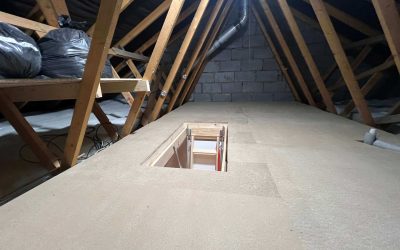
If your loft is just a dusty space you rarely think about, you’re not alone. But that unused area under your roof can become a practical, tidy, and accessible storage solution — without extending your home or spending a fortune. The key? Choosing the right loft boards and installing them safely.
The right loft boarding gives you solid ground underfoot, protects your insulation, and lets you store boxes, decorations, luggage, or seasonal items with confidence. But get it wrong, and you could compress insulation, damage joists, or create hazards that cost more to fix than they save. In this guide, we’ll go through what makes a loft board safe, which materials are best, and how to install everything without cutting corners.
Let’s take a look at what matters most when it comes to boarding your loft properly.
Why Loft Boarding Is the Smart Way to Create Extra Storage
Before you compare materials or look at fitting guides, it helps to know what makes loft boarding such a popular home upgrade — and why getting the right boards matters more than you might think.
The benefits of loft boarding for everyday storage
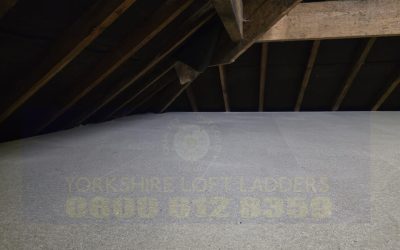
Loft boarding gives you an extra layer of space in your home. Once boarded, your loft becomes a clean, stable area where you can store things like holiday decorations, old clothes, paperwork, or anything else that doesn’t need to be out every day but still matters. It means no more teetering boxes on beams or pushing items into dangerous gaps between joists.
It’s not just about storage, though. A boarded loft can improve home organisation, make decluttering easier, and allow you to free up space elsewhere — in wardrobes, cupboards, or under beds. And if you’ve got good lighting and a fitted ladder, it can feel like a functional part of your home rather than somewhere you avoid.
Why safety is key when boarding your loft
Safety is one of the biggest reasons to take loft boarding seriously. Joists aren’t meant to be walked on directly, and stepping in the wrong place can lead to damage, injury, or worse. Proper boarding helps spread your weight evenly, keeps your footing stable, and creates a platform that’s far safer than balancing on exposed beams.
It also plays a role in fire protection and structural support. Cheap boards or poor fitting can cause weak points. Choosing the right material, thickness, and fixing method gives you peace of mind — especially if you plan to go up there regularly or store heavier items.
Common problems with unboarded or poorly boarded lofts
An unboarded loft might seem harmless, but it comes with hidden problems. The first is insulation damage. If you squash insulation by laying boards directly on it, you reduce its effectiveness. That means higher energy bills and a colder home in winter.
Poorly installed boards can also block airflow, leading to condensation and, over time, mould or rot in roof timbers. And then there’s the issue of tripping or putting your foot through the ceiling. A few simple boards might seem like a quick fix, but without the right supports, you’re asking for trouble.
What Makes a Loft Board Safe and Suitable for Storage
Not all loft boards are created equal. Choosing the right kind of board means balancing weight, strength, material quality, and ease of fitting.
Load-bearing strength and weight distribution
The first thing to think about is strength. Your boards need to hold the weight of you and anything you store. Most standard loft boards are around 18mm thick, which is generally fine for light storage and occasional foot traffic. But if you’re planning to store heavier boxes or access the loft often, thicker or stronger boards might be worth the upgrade.
It’s not just about the board either — the support system underneath is just as important. Boards should be fixed across multiple joists or onto a raised support system, so the weight spreads evenly. This helps protect both the structure and your ceiling below.
Moisture resistance and long-term durability
Lofts aren’t usually heated or ventilated like the rest of your home. That means you’ve got to think about how well your boards will handle changing temperatures and potential moisture.
Chipboard is commonly used because it’s cheap and lightweight, but it doesn’t handle damp conditions well. If your loft tends to get humid or cold, plywood or OSB (Oriented Strand Board) are better at coping over time. They resist warping, offer more durability, and give you that extra bit of strength without adding huge cost.
Fire resistance and compliance with building standards
While you’re unlikely to light a fire in the loft, building regulations still apply. If the loft boarding is part of a larger renovation or conversion project, you may need to use fire-rated boards, especially if the space becomes habitable.
Even if it’s just for storage, using materials that meet basic fire safety guidance is smart. Check the manufacturer’s rating and look for any certificates that show the board’s been tested. It’s one of those things you might never need — but if you do, you’ll be glad you made the right call.
Comparing the Most Popular Types of Loft Boards
There are several materials commonly used for loft boarding. Each has its pros and cons depending on your budget, loft conditions, and how you plan to use the space.
Chipboard loft panels (standard and T&G)
Chipboard is probably the most common loft boarding material. It’s affordable, lightweight, and easy to cut. You’ll usually find it in 1220mm x 320mm panels — sometimes with tongue and groove (T&G) edges to help lock them together more securely.
Standard chipboard is good for light to medium storage. If your loft is dry and insulated, and you don’t need heavy-duty strength, it does the job. Just make sure you support it properly and avoid placing it directly onto insulation.
One downside is that chipboard doesn’t like damp — it can swell or weaken over time. So if you’ve got moisture issues, it might be worth going for something tougher.
Plywood and OSB loft boards
Plywood is stronger and more moisture-resistant than chipboard. It holds up well in changing conditions, resists warping, and gives a solid, stable platform. OSB (Oriented Strand Board) is similar in strength and a bit more affordable, though it has a rougher finish.
Both of these are good for long-term storage, higher loads, or where the loft gets occasional dampness. They’re also better suited to lofts that aren’t fully sealed or insulated. If you want something more robust, these are a step up.
They are heavier and may cost a bit more, but for peace of mind and durability, they’re worth considering — especially if you’re boarding the whole loft or creating a semi-frequent use space.
Raised loft board systems (LoftZone, Loft Leg, etc.)
If you’re serious about doing things properly, raised systems like LoftZone or Loft Leg are worth looking at. These systems lift the boards above the insulation, so they don’t compress it or block airflow. That means your home stays energy-efficient, and you protect both the insulation and the timbers underneath.
LoftZone, for example, uses steel crossbeams and plastic supports that fix onto the joists, creating a raised deck. You then attach standard boards onto that platform. It’s especially useful in new-build homes where deeper insulation is common, and regulations are stricter.
The systems are modular, easy to fit (if you’re handy), and fully compliant with building standards. While they’re more expensive upfront, they save you money in the long run by keeping your insulation effective and your structure sound.
How to Install Loft Boards Safely and Securely
Once you’ve chosen the right boards, proper installation is the next step. A rushed or unsafe install can undo all your planning — and even put your insulation or joists at risk.
Preparing your loft for boarding
Before you start laying boards, take a good look around your loft. Check that your insulation is in good condition and isn’t blocking vents or trapping moisture. Look at where cables or pipes run across the joists — you might need to re-route them slightly or raise the boards to avoid pressure.
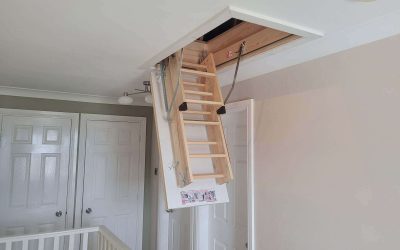
Make sure you’ve got safe access with a suitable ladder, good lighting, and something solid to stand on while you work. And if the joists are narrow or irregularly spaced, you might want to install a support frame first to make boarding easier and safer.
Using a raised sub-frame to protect insulation
If your insulation sits above the joist level, don’t just squash it down. That reduces its effectiveness and can cause damp spots where air can’t circulate. Use a raised sub-frame — like LoftZone or Loft Leg — to create a platform that sits above the insulation while still spreading your weight safely.
These systems usually involve fixing legs or brackets to the joists and laying a framework across them. Then you can screw the boards on top and get a level surface that protects your home’s energy efficiency and ventilation.
Fixing loft boards without damaging joists
When you screw down the boards, always go into the centre of the joists or raised supports. Don’t use nails — they’re more likely to split the wood and make it harder to lift the boards later. Use wood screws that are long enough to bite but not so long that they go through the joist.
Leave a small gap between boards to allow for expansion and air movement. Don’t glue the boards — if you ever need to lift them to check wiring or insulation, it’ll be a nightmare.
Loft Board Safety Tips for Homeowners and DIYers
Whether you’re fitting the boards yourself or hiring someone to do it, these tips can help you avoid injuries, damage, or costly mistakes.
How to walk safely on boarded loft areas
Stick to the boarded areas. Never step onto exposed insulation or between joists — that’s how accidents happen. Walk along the supports, and if the boards flex too much under your weight, that’s a sign the support isn’t strong enough.
Use a stable ladder with handrails, and avoid carrying heavy boxes up without help. Keep the area clear, well-lit, and don’t overload a single section with too much weight at once.
Keeping airflow and ventilation intact
A well-boarded loft should still breathe. Blocking vents or compressing insulation leads to condensation, which can rot timbers and create mould. Always leave gaps around the edges and never block the eaves vents.
Raised systems help with this, but even if you’re not using one, try to maintain airflow by lifting the boards slightly and leaving space between insulation and roof tiles.
When to avoid DIY and call a professional
Some jobs are best left to experts. If you’re dealing with electrical wiring, strange pipework, or signs of rot, it’s best to bring in someone qualified. The same goes if your joists are narrow, damaged, or unusually spaced — fitting boards over unstable supports can create bigger problems later.
If in doubt, get a consultation first. Many loft boarding specialists will give you advice or a quote without charge.
Choosing the Best Loft Boarding System for Your Home
With several options available, the best choice depends on your home type, storage needs, and whether you plan to DIY or hire a specialist.
Best boards for small lofts and limited headroom
In smaller lofts, space and access are everything. Standard chipboard panels are usually fine, especially if you don’t plan to store anything too heavy. Raised kits like Loft Leg XL are helpful here, as they keep insulation intact while keeping the height minimal.
Choose lighter boards, plan your layout carefully, and make sure you leave enough access space to move around safely.
Ideal systems for long-term, heavy-duty storage
For serious storage — maybe suitcases, tools, or archive boxes — go with plywood or OSB boards fixed onto a raised support system. Look for systems rated for heavier loads and space them closely for extra strength.
You’ll also want to check the condition of the joists and maybe add extra bracing underneath if you’re storing a lot. A properly built platform can last for decades without flexing or sagging.
Top recommended loft boarding products in the UK
Some of the top systems and materials to look at include:
- LoftZone StoreFloor: Strong, modular, and BBA-certified — excellent for new builds and energy-conscious homes.
- Loft Leg: Great for DIY, lightweight, and easy to install.
- Wickes T&G Chipboard Loft Panels: A solid budget choice for small, dry lofts.
- B&Q Loft Boards: Widely available and ideal for quick, affordable installs.
Each has strengths and limitations, so base your choice on your loft layout, insulation depth, and storage plans.
Our Final Say
Boarding your loft is one of those home upgrades that pays off quickly — more space, less clutter, and a safer, more functional storage area. But it only works if you choose the right boards and fit them properly.
Think about the strength, moisture resistance, and insulation underneath. Consider whether you’ll DIY or bring in help. And always plan around the space you’ve got, not the space you want.
The right loft boards aren’t just about saving space. They protect your home, support your stuff, and help you use your loft without worry. Once it’s done, you’ll wonder why you didn’t do it sooner.
Loft Ladders Scotton – Loft Ladders Hampsthwaite – Loft Ladders Starbeck