If you’ve started thinking about accessing your loft more easily, there’s a good chance you’ve already come across the fixed vs folding loft stair debate. Both options have their strengths, and choosing between them isn’t just about price or space — it comes down to how you use your home, what kind of loft you have, and what you need long-term. This guide walks you through everything, from safety and design to regulations and real-world practicality, so you can feel confident picking the right solution.
Why Choosing the Right Loft Access Matters
Before you decide between fixed stairs and folding ladders, it helps to understand how much the right access system affects your loft’s usability, safety, and value. It’s not just about getting up and down — it’s about how that choice impacts daily life and what you can actually do with the space.
The role of loft stairs in home functionality
If you’re only going up there once or twice a year, you might not need much. But for regular storage, a hobby room, or a full loft conversion, having proper access makes a big difference. It affects how much you use the space, what you feel safe storing there, and whether it stays practical over time. Loft stairs shouldn’t be an afterthought — they shape how usable that entire floor really is.
Safety, stability, and everyday access
Poor access leads to accidents — missed steps, poor grip, or ladders that flex too much when you climb. If you’re carrying boxes, tools, or decorations up and down, safety and stability become even more important. The right stairs offer a strong, stable surface that you can trust every time.
When loft stairs become a permanent feature
If you’ve converted your loft or plan to, stairs stop being a convenience and become part of your home layout. They need to fit in, meet regulations, and match your interior style. A good stair choice can add value to your home, while a bad one can create frustration or even become a dealbreaker for future buyers.
What Are Fixed Loft Stairs?
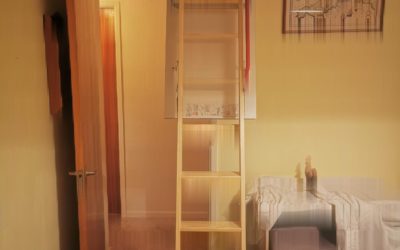
Fixed stairs are designed to provide permanent, solid access to a loft. They resemble traditional staircases and are often used when the loft is regularly accessed or converted into a functional space.
Common types of fixed loft staircases
There’s more than one kind of fixed stair. You’ve got straight flights, which go directly up and are the easiest to walk. Paddle stairs (or space saver stairs) use staggered treads to save space. Alternating tread stairs work well in narrow spots. Spiral staircases are great when space is tight and you want something a bit more design-led. Each one suits a different layout and level of use.
Benefits of fixed stairs for loft conversions
If your loft is a regular bedroom, office, or playroom, fixed stairs offer comfort and permanence. You don’t need to fold them away or think about weight limits. They also help with building regulations if your loft counts as a habitable space. And they just feel like a proper part of the house — which can really boost the value of your home.
Limitations of fixed stairs in small or awkward spaces
That said, they do need space. Some types take up quite a bit of floor area. You’ll need enough headroom, landing space, and floor clearance, especially if you’re trying to fit them into a hallway or smaller room. In some homes, the layout just doesn’t work unless you go for more compact designs — or an alternative altogether.
What Are Folding Loft Stairs?
Folding loft ladders are compact and retractable, making them ideal for homes with limited space. But how do they compare in terms of comfort, safety, and durability?
Types of folding ladders and materials available
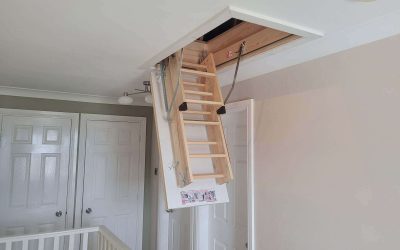
Folding stairs come in different materials and formats. Timber models are classic and quieter to use, while aluminium ones are lightweight and easy to pull down. Some use a concertina design to fold neatly into small hatches. Others are multi-section ladders that slide or pivot. You can also find options with insulated hatches — great for keeping heat in and bills down.
Where folding stairs make the most sense
If your loft is just for storage, and you don’t go up too often, folding stairs are usually more than enough. They’re ideal for tight spots where a full staircase just won’t fit. You’ll often see them installed in hallways or landings where ceiling height or layout makes fixed stairs difficult or impossible.
Drawbacks of folding ladders you should consider
Not all folding ladders feel stable underfoot. Some flex a lot, which can be worrying if you’re carrying weight. Many have narrower treads, which make them harder to climb if you’ve got reduced mobility or are barefoot. They’re not really suitable for children or older adults either. And over time, cheaper models might loosen or warp if they’re used regularly.
Key Factors to Compare: Fixed vs Folding
To choose the right option for your home, you need to compare them on the things that matter most — safety, space, cost, and long-term use.
Safety and comfort when climbing
Fixed stairs win when it comes to comfort and ease. You get full-width treads, handrails, and a consistent gradient. That means fewer slips and better balance. Folding stairs can be safe too, but only if installed properly and used carefully. Look for handrails, anti-slip rungs, and sturdy construction if you go this route.
Installation space and ceiling height
Fixed stairs usually need more room — especially at the base and top where you turn onto the landing. Folding stairs tuck into the ceiling hatch and pull down only when needed. That’s why they’re perfect in tight hallways or smaller homes. The shape of your loft and roof pitch also matters — not every option fits every space.
Cost, value, and long-term investment
Folding loft ladders are cheaper to buy and install. You can pick one up and fit it fairly easily, even as a DIY job. Fixed stairs cost more upfront, but they add more value if your loft’s part of your living space. They’re also a longer-term solution if you’re going to be going up and down often.
Regulations and Suitability for Loft Conversions
If your loft is a habitable room or part of a formal conversion, access needs to meet UK Building Regulations. Here’s what to know.
When fixed stairs are required by building regulations
In the UK, habitable lofts (bedrooms, offices, etc.) usually require a fixed staircase. That includes rules around tread depth, height, and pitch. You may also need a landing and fire-safe route. Folding ladders generally won’t pass unless the loft is strictly for storage — so it’s not just preference, it’s law.
Folding ladders for non-habitable storage access
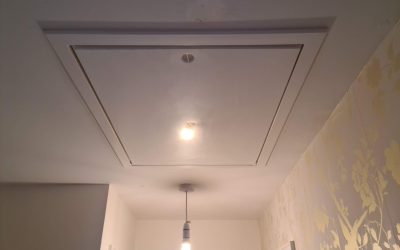
Folding ladders are fine if you’re just using your loft for storage and not turning it into a room. There are still best practices to follow — like making sure the hatch is insulated and that the ladder locks securely. But from a legal standpoint, they’re allowed as long as the loft space remains non-habitable.
Planning for the future: occasional use vs daily access
This is where people often get caught out. Maybe you’re just using it for boxes now, but what if you want to convert the loft later? In that case, fitting fixed stairs from the start could save hassle down the line. Think about your five- or ten-year plans — not just the next few months.
Which Loft Stair Option Is Right for Your Home?
Now that you’ve seen how fixed and folding stairs compare, here’s how to weigh up your needs and make the right call.
Best choice for small homes and limited space
If space is tight, folding stairs usually make the most sense. Look for compact models that suit your ceiling height and are easy to operate. Just make sure they’re solid enough for whatever you’ll be carrying — and that everyone in the house can use them safely.
Ideal stairs for converted lofts and regular use
If your loft is a proper room — or you use it daily — fixed stairs are worth the investment. They make access easier, feel more like part of the home, and tick all the boxes for building control. Even paddle or alternating tread stairs can work well if space is tight but regular use is needed.
Final thoughts: how to decide what works best
Think about how often you use your loft. Is it daily or just seasonal? How much space do you have to work with? Is safety a concern for young kids or older relatives? And what are your plans for the space long-term? Once you answer those, the choice becomes clearer. Don’t just go for what’s easiest to install — go for what makes your home safer and more usable every day.
Our Final Say
Choosing between fixed and folding loft stairs isn’t a one-size-fits-all decision. Folding ladders are compact, affordable, and great for occasional use. Fixed stairs are more permanent, stable, and necessary for converted lofts. Both have their place — it just depends on your layout, lifestyle, and what you want from your loft space. Get that right, and you’ll turn an underused area into something truly valuable.
Loft Ladders Heckmondwike – Loft Ladders Farnham – Loft Ladders Calcutt