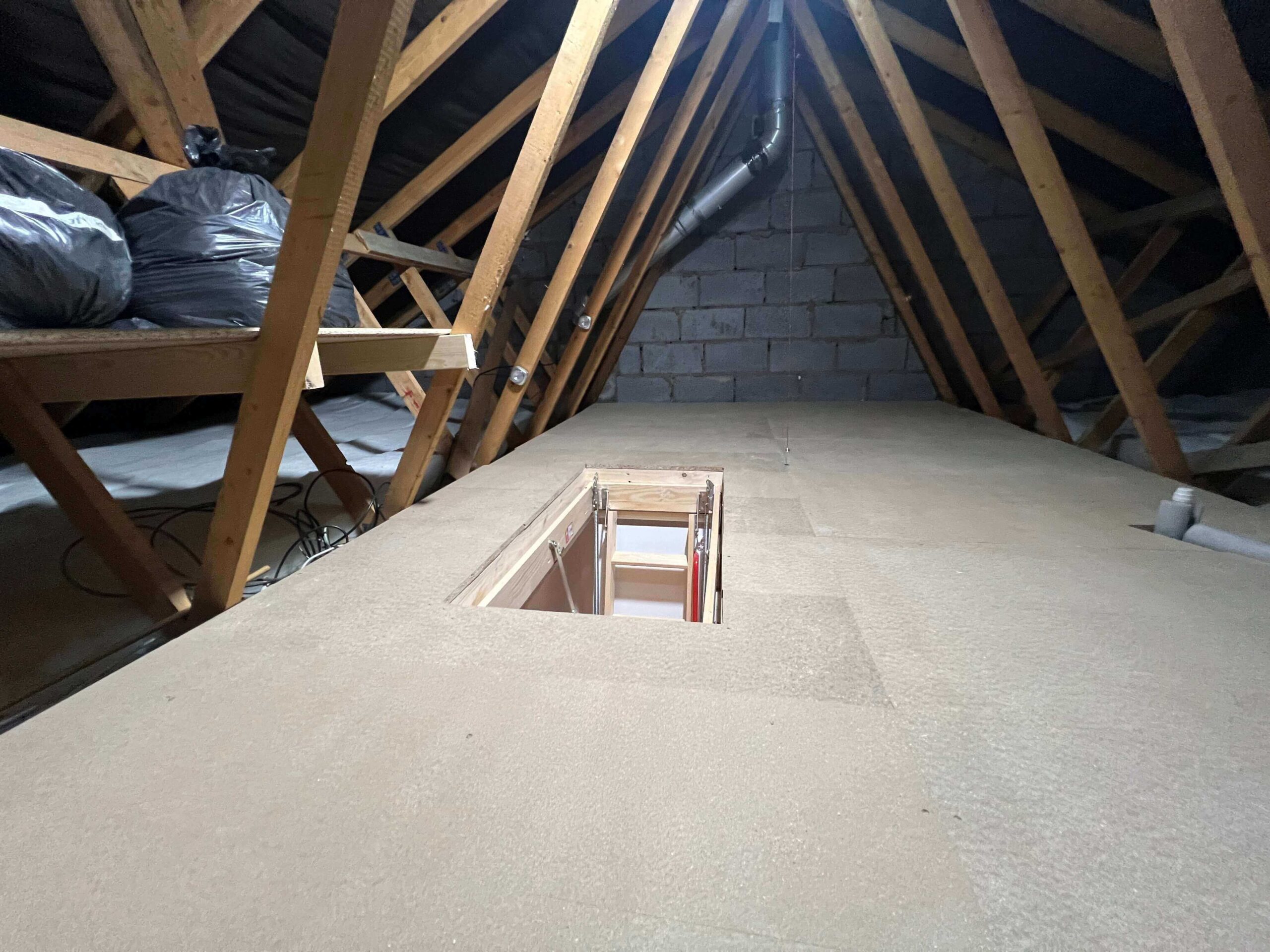
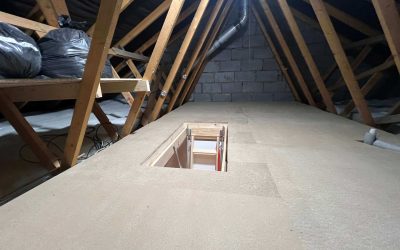
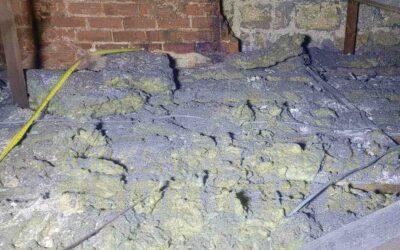
When we install loft boarding, one of the most common questions we get from homeowners is about loft legs. Many people assume loft boards are simply fixed directly onto the joists, but modern loft boarding systems are designed a little differently. Loft legs play an important role in ensuring the loft remains safe, energy-efficient, and practical for storage.
In many homes, the depth of insulation in the loft has increased over the years to improve energy efficiency. This creates a challenge when installing loft boards, as placing them directly on the joists can compress the insulation and reduce its effectiveness. Loft legs are designed to solve this problem by raising the loft boards above the insulation.
By using loft legs correctly, we can create a strong, stable storage platform without damaging the insulation underneath.
What Are Loft Legs?
Loft legs are small plastic or metal supports that raise loft boards above the joists. They act as spacers between the joists and the boards, creating a raised platform for loft flooring.
The main purpose of loft legs is to allow loft insulation to sit at its full recommended depth while still providing a safe surface for storage.
Loft legs usually work by fixing directly into the loft joists. Once installed, loft boards or chipboard panels are secured on top of the legs to form a raised floor.
This raised system provides several advantages:
- They Raise Loft Boards Above Insulation – Loft legs create space between the insulation and the boards, allowing the insulation to perform properly.
- They Prevent Insulation Compression – When insulation is compressed, it loses its ability to trap heat effectively.
- They Create A Stable Storage Platform – Once boards are fixed on top, the loft becomes safe for storing household items.
- They Help Maintain Ventilation – The gap beneath the boards allows air to circulate through the loft space.
- They Support Modern Energy Standards – Current building standards recommend thicker loft insulation, which loft legs help accommodate.
Without loft legs or another raised boarding system, loft boarding can reduce insulation efficiency.
Loft boarding is one of the most effective ways to turn unused loft space into practical storage. However, the way the boards are installed makes a big difference.
If loft boards are installed directly onto the joists, they often compress the insulation beneath them. This can reduce insulation performance and increase heat loss from the home.
Loft legs solve this issue by lifting the boards above the insulation layer. This ensures the insulation continues to perform as intended.
Key reasons loft legs are used include:
- Protecting Loft Insulation – Raised boards allow insulation to remain fluffy and effective.
- Improving Energy Efficiency – Proper insulation helps reduce heat loss through the roof.
- Creating Safe Storage Space – Raised flooring makes it easier and safer to move around the loft.
- Preventing Structural Problems – Boards fixed correctly across multiple joists distribute weight more evenly.
- Supporting Long-Term Loft Use – A properly installed loft floor lasts much longer than improvised solutions.
By installing loft legs as part of the boarding system, the loft becomes a practical storage space without compromising insulation.
How Loft Legs Work with Loft Boarding
The process of installing loft legs is fairly straightforward, but it needs to be done carefully to ensure the boards remain stable and secure.
First, the loft joists are identified and cleared of any obstacles such as cables or pipework. The loft legs are then fixed directly into the joists at regular intervals.
Once the supports are in place, loft boards or chipboard panels are secured to the top of the legs. This creates a raised platform that sits above the insulation.
A typical installation process involves:
- Fixing Loft Legs to the Joists – Each leg is screwed into the joist to provide a strong base.
- Spacing the Legs Evenly – Correct spacing helps distribute the weight of the boards.
- Installing Loft Boards Across Multiple Joists – Boards are laid across several supports for strength.
- Leaving Clear Walkways – Safe access areas are created for moving around the loft.
- Checking Stability – The final platform should feel solid and secure when walked on.
When installed properly, loft legs provide a strong foundation for loft storage.
Are Loft Legs Suitable for Every Loft?
Loft legs are widely used in modern loft boarding projects, but not every loft is exactly the same. The structure of the roof, the spacing of the joists and the type of insulation can all affect how loft boarding is installed.
In many homes, loft legs are an ideal solution because they work well with typical joist spacing and insulation depth. However, some lofts with unusual layouts or very limited head height may require alternative boarding methods.
Before installing loft legs, we usually check several factors:
- Joist Condition – The joists must be strong enough to support the storage weight.
- Insulation Depth – The insulation layer determines how high the boards need to sit.
- Roof Structure – Trussed roofs sometimes require careful planning around the framework.
- Loft Access – A loft ladder and hatch make it easier to use the storage space safely.
- Ventilation Routes – Airflow must remain clear to prevent condensation problems.
Every loft is different, so the boarding system should always be designed around the space’s specific structure.
What Can You Store on Loft Boards Supported by Loft Legs?
Once loft legs and boards are installed, the loft becomes a useful storage area for many household items. However, it is important to remember that lofts are usually intended for light to moderate storage, rather than heavy loads.
Common items stored in boarded lofts include:
- Seasonal Decorations – Christmas decorations and other seasonal items.
- Suitcases And Travel Bags – Bulky items that take up space in wardrobes.
- Clothing Storage – Clothes packed in sealed containers.
- Archived Paperwork – Documents that need to be kept but are rarely accessed.
- Lightweight Household Items – Bedding, soft furnishings or spare boxes.
Heavy furniture, gym equipment or large appliances should not normally be stored in lofts unless the structure has been specifically reinforced.
Creating Practical Loft Storage with the Right System
Loft legs have become a key component in modern loft boarding because they allow homeowners to create storage space without damaging insulation. Raising loft boards above the insulation layer helps maintain energy efficiency while providing a strong platform for storage.
When loft boarding is installed correctly using loft legs, the loft becomes a safe and practical place to store household items. Instead of wasted space above the ceiling, the loft can become an organised storage area that frees up room throughout the rest of the house.
With the right boarding system, proper insulation protection and safe access, loft storage can be one of the most useful improvements you can make to your home.
Loft Ladders Starbeck – Loft Ladders Scotton – Loft Ladders Menston